

Break the cycle of dry, itchy skin

Break the cycle of dry, itchy skin
Eczema & Dermatitis
Licensed Medications Delivered Fast
Complete Privacy Guaranteed
UK-Based Registered GPhC Pharmacists
Eczema & Dermatitis





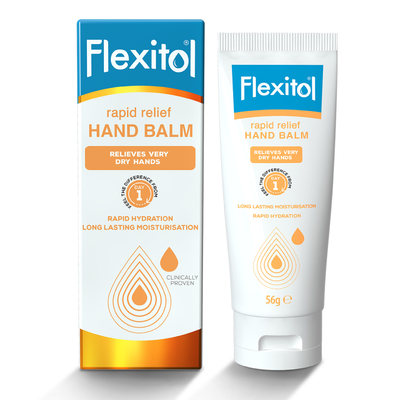
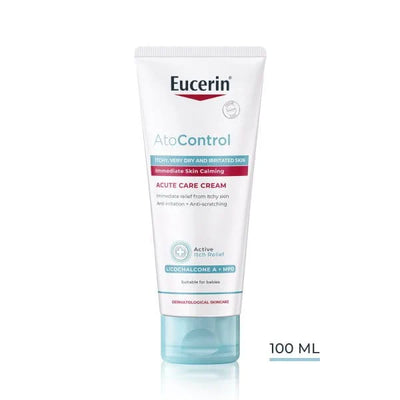
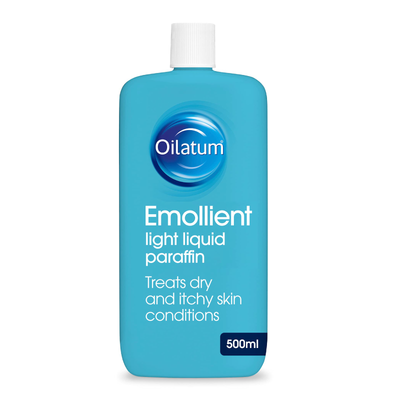
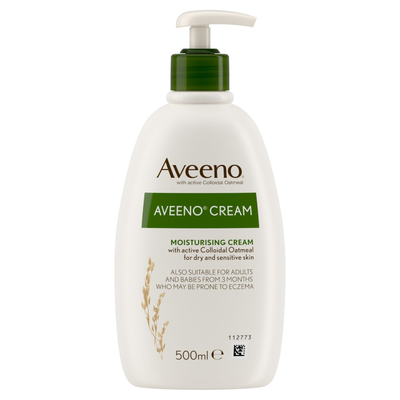
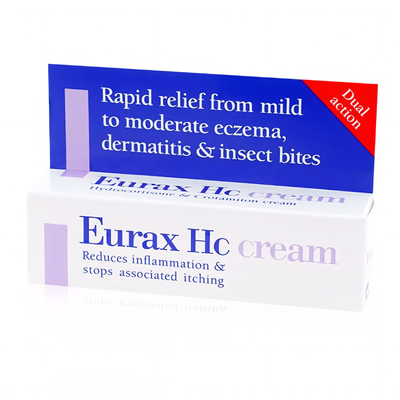
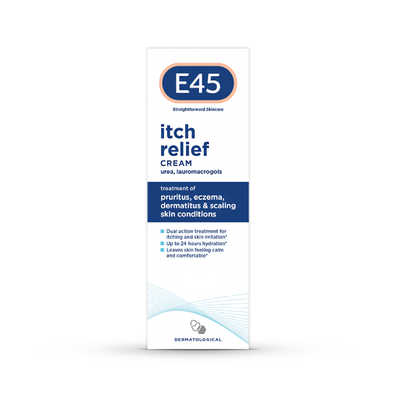
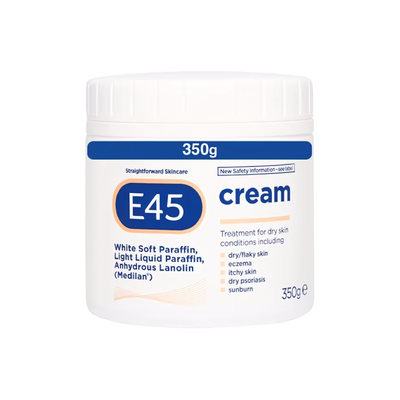
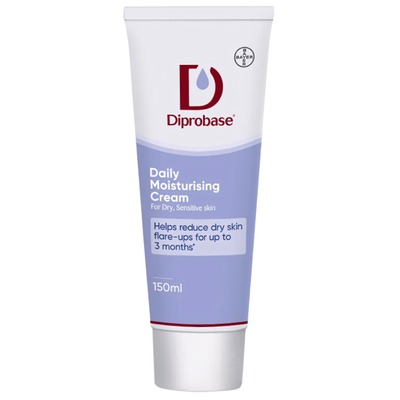
How it works

Complete medical questionnaire
Answer a few quick questions. Our pharmacists assess your suitability for treatment

Choose your treatment
Pick from a range of UK-licensed medicines.

Get your medicine delivered
We pack your treatment in plain, discreet packaging and send it with next day delivery.
Meet Our Pharmacy Team

Why Chemist 2 Home?

Genuine UK Medications
All treatments are sourced from licensed UK suppliers and dispensed by our GPhC-registered pharmacy.

Ongoing Care & Support
We're with you beyond the prescription. Free pharmacist advice, repeat prescription reminders, and continuous support for your health journey.
Frequently asked questions
Eczema, also called atopic eczema or atopic dermatitis, is a common skin condition that causes itchy, dry, cracked, crusty, scaly or thickened skin. It can affect people of all ages, although it often starts in childhood.
Dermatitis is a general term for inflammation of the skin. On patient-facing pages, the terms eczema and dermatitis are often used interchangeably, but there are different forms, including atopic eczema and contact dermatitis.
Often, yes. Atopic eczema is also called atopic dermatitis, while contact dermatitis is a type of eczema triggered by contact with a particular substance. On a pharmacy page, it is reasonable to explain eczema and dermatitis together because patients often search for both.
Contact dermatitis is a type of eczema caused when the skin reacts to an irritant or allergen. It commonly affects the hands and face and can cause itchy, blistered, dry or cracked skin.
Eczema can be made worse by irritants or allergens such as soap, washing detergent, pets, some fabrics, pollen, house-dust mites and certain foods. Heat, temperature changes, skin infections, stress and hormonal changes can also trigger flare-ups.
You complete an online clinical assessment and provide the information needed for safe review. A pharmacist then reviews whether treatment is suitable. If treatment is clinically appropriate, and where required a valid prescription is in place, the order can be dispensed and dispatched. Public-facing clinic pages should focus on clinical assessment and suitability, rather than implying guaranteed supply.
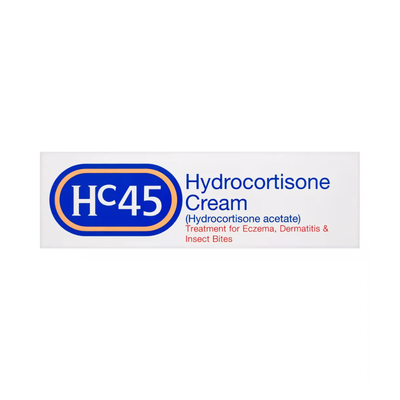
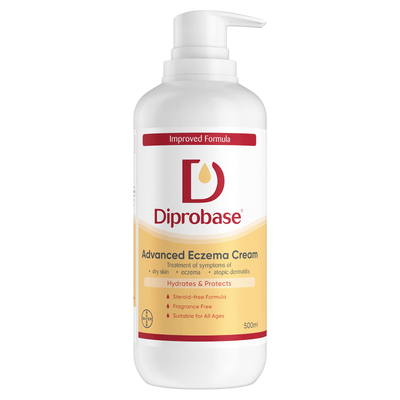
The main treatments include emollients such as moisturising creams, lotions, ointments or gels, and topical corticosteroids for more inflamed symptoms. For contact dermatitis, avoiding the trigger is also a key part of treatment and prevention.
Not sure what to choose? Try a free consultation.
Answer a few short questions, get a personalised treatment recommendation.