

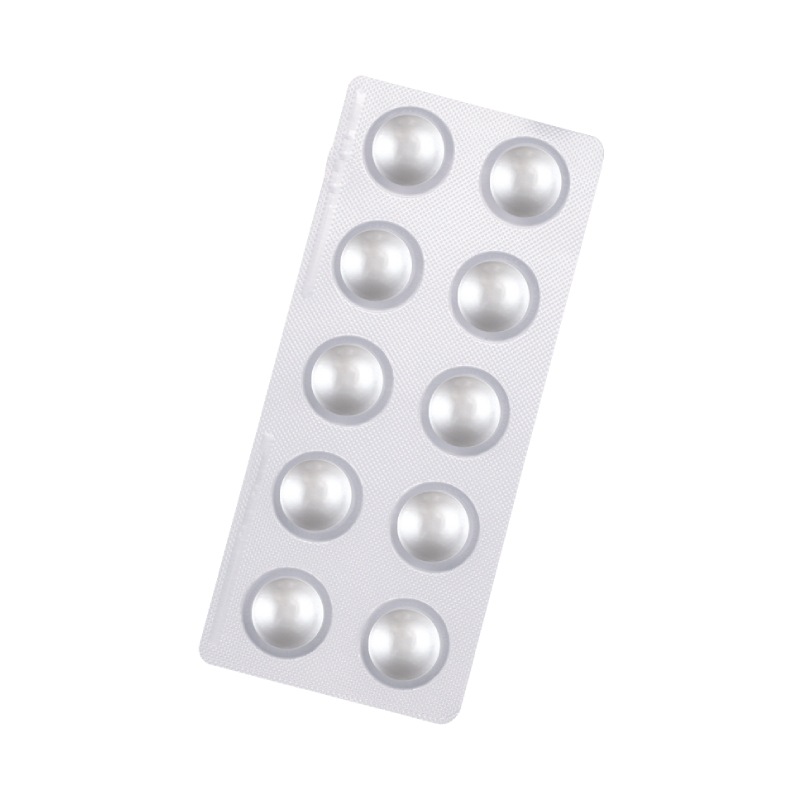
About this product
Acetazolamide is a prescription tablet used to prevent and treat altitude sickness. When you climb above 2,500 metres, the air holds less oxygen. Your body struggles to keep up. That struggle can bring on headaches, nausea, dizziness, and broken sleep. Left unchecked, it can turn dangerous.
Acetazolamide helps your body adjust faster. It works by changing the acidity of your blood, which pushes your lungs to breathe deeper and take in more oxygen. It also acts as a mild diuretic, increasing urine output, which further aids acclimatisation.
This is a prescription-only medicine. Our clinician will check it's right for you before we dispense it.
How to use
For preventing altitude sickness, the usual dose is 125mg (half a 250mg tablet) taken twice a day. Start taking it 1 to 2 days before you begin your ascent. Continue while you are gaining altitude and for 2 to 3 days after you reach your highest point.
If you are treating mild acute mountain sickness, the dose rises to 250mg (one tablet) twice a day. Continue until your symptoms settle.
Swallow the tablets with plenty of water. You can take them with or without food. Drink 3 to 4 litres of fluid a day while at altitude, as the medicine increases how much you urinate.
Stopping acetazolamide does not cause your symptoms to bounce back. You will not feel worse than you would have without it.
Acetazolamide is not a substitute for descent. If your symptoms become severe, if you cannot walk in a straight line, if you are breathless at rest, or if you cough up frothy or pink spit, descend immediately. These are signs of serious altitude illness that can kill.
Main Ingredients
Each tablet contains 250mg of acetazolamide. Acetazolamide is a carbonic anhydrase inhibitor. It changes the way your kidneys handle bicarbonate, which shifts the acidity of your blood and stimulates your breathing. The result is that your body moves more oxygen into your bloodstream, helping you cope with thinner air.
Other ingredients typically include lactose, maize starch, sodium starch glycollate, and magnesium stearate. If you have a lactose intolerance, let our clinician know.
Side Effects & Cautions
The most common side effects are tingling in the fingers, toes, and face (paraesthesia), increased urination, and an altered taste (fizzy drinks may taste flat or metallic). These are signs the medicine is working and are usually harmless. They settle once you stop taking it.
Other common side effects include nausea, loss of appetite, drowsiness, and dizziness. Taking the tablets with food can help with stomach upset.
Rare but serious side effects include severe skin reactions (such as Stevens-Johnson Syndrome), liver damage, blood disorders, and kidney stones. Drinking plenty of water helps reduce the risk of kidney stones. If you develop a rash, yellowing of the skin or eyes, unusual bleeding or bruising, or severe pain in your side or back, stop the medicine and get medical help straight away.
Who should not take it
You should not take acetazolamide if you are allergic to it or to sulphonamide medicines, if you have severe kidney or liver disease, if you have low sodium or potassium levels in your blood, or if you have a condition called hyperchloraemic acidosis. It is also not suitable if you have Addison's disease.
Can you take it during pregnancy?
Acetazolamide is not recommended during pregnancy, especially in the first trimester. If you are pregnant or planning to become pregnant, speak with our clinician about alternatives. It is also best avoided while breastfeeding.
Can you drink alcohol?
Alcohol makes altitude sickness worse and increases dehydration. Acetazolamide can also cause drowsiness. Combining the two is a bad idea at altitude. Avoid alcohol while acclimatising.
Other medicines
Acetazolamide can interact with a number of other medicines. These include high-dose aspirin and other salicylates, lithium, certain epilepsy drugs, and some diabetes medicines. It can also reduce the effectiveness of the oral typhoid vaccine. Tell our clinician about every medicine you take before starting.
How early should I order?
You need to start taking acetazolamide 1 to 2 days before your ascent. Order well in advance of your trip so you have time to try a test dose at home. This lets you check for side effects before you are on a mountain with no easy way down.
Patient Information Leaflet
Acetazolamide is not right for everyone, and there are things you should know before you start. Here is all the official information. If anything is not clear, let our clinician know and they can talk it through with you.
Dosage & directions
Main ingredients
Side effects & cautions
Patient information leaflet
Meet Our Pharmacy Team


WEIGHT LOSS — No shady subscriptions or lock-in contracts