

About this product
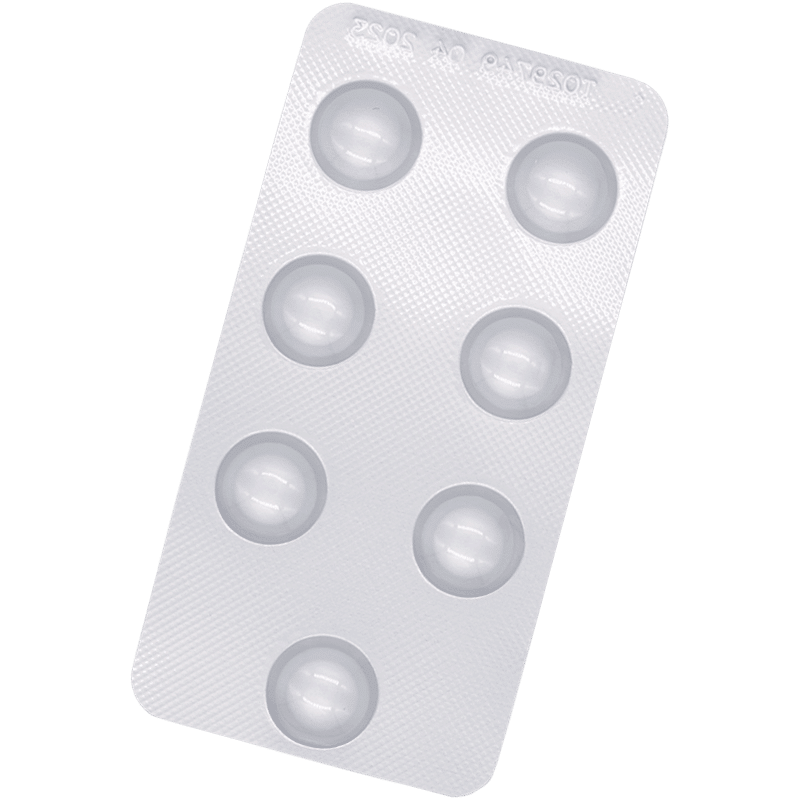
Finasteride is a tablet used to treat hair loss in men, commonly referred to as male pattern baldness or androgenetic alopecia. It helps by stopping a hormone change in the body that leads to hair follicles shrinking. These tablets are also prescribed for men with an enlarged prostate, known as benign prostate enlargement (BPH). Finasteride isn't a permanent solution for hair loss, but it can sometimes stop it from getting worse. In some cases, it may even help hair to grow back.
How to use
Finasteride is a well-known option for treating hair loss in men, and it's easy to see why. Numerous studies have demonstrated its effectiveness. In one study, over 80% of men who took Finasteride daily stopped losing hair within 6 to 12 months, and 66% even experienced hair regrowth. In a study conducted over 10 years, 91.5% of 523 men experienced improvements in hair loss with finasteride, and 99.1% noticed it slowed down the progression of their hair loss. Research indicates that Finasteride tablets can be an effective option for treating hair loss in men. However, results can vary from person to person due to factors like age, ethnicity, and overall health.
Biotin, also known as vitamin B7, is a well-known supplement often used to support hair and nail growth. It helps in the production of keratin, which might be why hair appears healthier when taking it. However, there's not much evidence to show it can aid in hair regrowth. Taking biotin and finasteride together is generally safe, but it's always best to confirm with your clinician just to be sure.
Minoxidil is a treatment applied to the scalp to tackle hair loss. It boosts blood flow to the hair follicles, supplying them with essential nutrients and oxygen for hair growth. This approach is different from Finasteride, which works by reducing DHT levels to stop hair loss. Some research suggests that using topical minoxidil together with finasteride can enhance hair thickness more effectively than using just minoxidil on its own. If you're thinking about using both treatments together, have a chat with your clinician. They'll help you figure out what's best for you.
Finasteride can only be obtained with a prescription. It's not the right treatment for everyone, so it's crucial to consult a healthcare professional before beginning any treatment.
You can safely take finasteride alongside any other medication. There aren't any known conflicts. However, you should steer clear of taking the herbal supplement St. John's wort, which is commonly used for depression and menopausal symptoms, as it can interact with finasteride. St. John's wort could interfere with finasteride, reducing its effectiveness.
In the UK, Dutasteride isn't approved for treating hair loss. While it is authorised in the US for managing prostate enlargement, or BPH, there haven't been any clinical trials in the UK to assess its safety and effectiveness for hair loss treatment.
You can use Finasteride while your partner is pregnant, but it's crucial to use a condom. This is because tiny amounts of the medication can be present in semen, which could potentially impact your baby. Pregnant women need to be cautious and avoid handling any crushed or broken tablets, as these can enter the bloodstream if accidentally ingested. Finasteride tablets come with a protective coating to help prevent this.
Finasteride is appropriate for men between 18 and 41 who are dealing with male hair loss. However, it's not suitable if you're allergic to any of its ingredients, which are detailed in the patient information leaflet. If you have any medical conditions, please inform your clinician so they can ensure Finasteride is safe for you. Finasteride can lower prostate specific antigen (PSA) levels. PSA tests are used to identify prostate cancer. If you're due to have a PSA test, make sure to inform your doctor that you're taking finasteride.
While there is a chance of experiencing side effects with Finasteride, there aren't any that are commonly known. Some less common side effects include: They typically happen while you're on the treatment, but they go away once you stop. Some men have mentioned feeling down or having a reduced sex drive even after completing their treatment. However, there's not enough evidence to confirm that the treatment is the cause. If you're worried about side effects, it's a good idea to talk to your clinician. There are alternative treatments for hair loss that might be more suitable for you.
When using Finasteride, there are a few things to be mindful of, and it's not suitable for everyone. Finasteride has been linked to feelings of depression, suicidal thoughts, and sexual issues like a lower sex drive or ejaculation difficulties, which may continue even after you stop taking the medication. Only a small number of men experience these side effects, and for most, they go away once the treatment is stopped. If you have any suicidal thoughts, stop taking the treatment straight away and seek medical advice. Here's all the official information about it. If there's anything you don't understand, please let our clinician know, and they can discuss it with you.
Main Ingredients
Finasteride is a tablet used to treat hair loss in men, commonly referred to as male pattern baldness or androgenetic alopecia. It helps by stopping a hormone change in the body that leads to hair follicles shrinking. These tablets are also prescribed for men with an enlarged prostate, known as benign prostate enlargement (BPH). Finasteride isn't a permanent solution for hair loss, but it can sometimes stop it from getting worse. In some cases, it may even help hair to grow back. Hair loss, often referred to as male pattern baldness, is generally straightforward to spot. You might notice hair thinning from your scalp, the crown of your head, or the front, commonly known as a receding hairline. The leading cause of hair loss in men is male androgenetic alopecia (MAA). This ongoing condition affects hair follicles and leads to thinning hair on the scalp. Research indicates that taking Finasteride for 1 to 2 years can greatly enhance hair appearance, promote hair growth, and reduce hair loss.
Side Effects & Cautions
Important Information
When using Finasteride, there are a few things to be mindful of, and it's not suitable for everyone. Finasteride has been linked to feelings of depression, suicidal thoughts, and sexual issues like a lower sex drive or ejaculation difficulties, which may continue even after you stop taking the medication. Only a small number of men experience these side effects, and for most, they go away once the treatment is stopped. If you have any suicidal thoughts, stop taking the treatment straight away and seek medical advice. Here's all the official information about it. If there's anything you don't understand, please let our clinician know, and they can discuss it with you.
Can I take Finasteride if my partner is pregnant?
You can use Finasteride while your partner is pregnant, but it's crucial to use a condom. This is because tiny amounts of the medication can be present in semen, which could potentially impact your baby. Pregnant women need to be cautious and avoid handling any crushed or broken tablets, as these can enter the bloodstream if accidentally ingested. Finasteride tablets come with a protective coating to help prevent this.
What are the common side effects of Finasteride?
While there is a chance of experiencing side effects with Finasteride, there aren't any that are commonly known. Some less common side effects include: They typically happen while you're on the treatment, but they go away once you stop. Some men have mentioned feeling down or having a reduced sex drive even after completing their treatment. However, there's not enough evidence to confirm that the treatment is the cause. If you're worried about side effects, it's a good idea to talk to your clinician. There are alternative treatments for hair loss that might be more suitable for you.
Dosage & directions
Main ingredients
Side effects & cautions
Patient information leaflet
Meet Our Pharmacy Team


WEIGHT LOSS — No shady subscriptions or lock-in contracts