

About this product
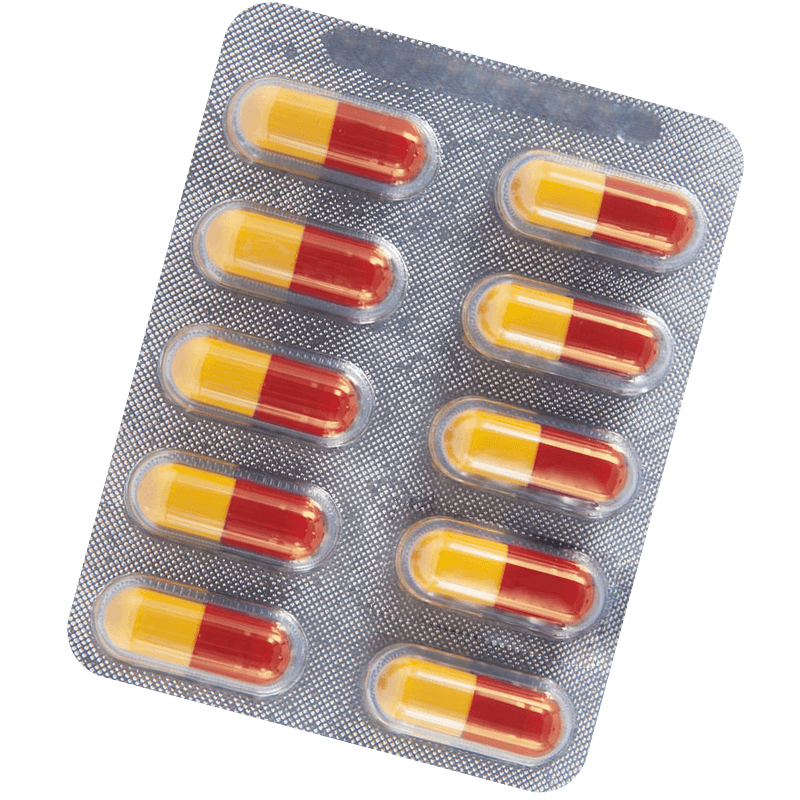
Lymecycline is used to treat bacterial acne. It's an antibiotic capsule that you take daily. Bacterial acne happens due to inflammation and too much bacteria on your skin, usually on the face. Lymecycline helps reduce your acne, clears your pores, and promotes healthy skin. It can also be used to treat other skin conditions such as hidradenitis suppurativa and perioral dermatitis. Hidradenitis suppurativa leads to painful lumps forming under the skin, while perioral dermatitis causes a rash arou
How to use
Lymecycline is an excellent choice for treating bacterial acne because it goes beyond just the surface. It targets the underlying cause of inflammation and bacteria. If you've used creams or gels without success, considering antibiotics like Lymecycline might be a good idea. One advantage it has over some other antibiotics is that it's absorbed a bit faster. The older antibiotic it's derived from, tetracycline, takes more time to reach peak levels in the blood. Additionally, it's less likely to be affected by milk compared to other tetracycline antibiotics such as doxycycline and oxytetracycline.
There's a branded version of Lymecycline known as Tetralysal. Both contain the active ingredient lymecycline, so they function in much the same way. The main differences between generic and branded medications are their names, packaging, and cost. The choice is yours. As we've discussed, Lymecycline belongs to a group of antibiotics known as tetracyclines. There are several options for treating acne, such as Oxytetracycline, Doxycycline, and Erythromycin. While they all offer antibacterial and anti-inflammatory benefits, they contain different active ingredients. This means that one medication might be more suitable for you than another.
Lymecycline is an effective treatment for bacterial acne and various other skin conditions. Studies on Lymecycline for acne have demonstrated its safety and effectiveness, with one study revealing a 65% reduction in inflammatory acne spots after only 12 weeks of use. It has also been found to be as effective as minocycline, while costing four times less. A study on treating hidradenitis suppurativa with Lymecycline showed a noticeable improvement in symptoms and quality of life after about 4.3 months of use. Oral tetracyclines, such as Lymecycline, are often very effective for treating flare-ups of perioral dermatitis. This is because topical treatments typically take up to three months to work at their best.
Many people believe you should never drink alcohol when taking antibiotics, but that's not always the case. Alcohol doesn't reduce the effectiveness of Lymecycline, so it should still help with your acne, hidradenitis suppurativa, or perioral dermatitis. It's important to be aware that alcohol can intensify the side effects of Lymecycline. While it's always best to keep your alcohol intake in check, having a drink while taking Lymecycline is generally fine.
Yes, Lymecycline can only be obtained with a prescription. It may not be suitable if you have certain health conditions or are taking other medications. It's specifically intended for those with bacterial acne, hidradenitis suppurativa, perioral dermatitis, or broader infections. Since it's a powerful antibiotic, a clinician will need to ensure it's suitable for you. To find out which treatments might be best for your acne or other skin condition, have a chat with us about your health.
Lymecycline isn't right for everyone, and there are a few things you should know when using it. Here's all the official information on it. If anything isn't clear, just let our clinician know, and they can discuss it with you.
Main Ingredients
Lymecycline is used to treat bacterial acne. It's an antibiotic capsule that you take daily. Bacterial acne happens due to inflammation and too much bacteria on your skin, usually on the face. Lymecycline helps reduce your acne, clears your pores, and promotes healthy skin. It can also be used to treat other skin conditions such as hidradenitis suppurativa and perioral dermatitis. Hidradenitis suppurativa leads to painful lumps forming under the skin, while perioral dermatitis causes a rash around the mouth. Since both conditions are due to inflammation and worsened by bacteria, Lymecycline helps manage flare-ups and ease symptoms.
Side Effects & Cautions
Important Information
Lymecycline isn't right for everyone, and there are a few things you should know when using it. Here's all the official information on it. If anything isn't clear, just let our clinician know, and they can discuss it with you.
Dosage & directions
Main ingredients
Side effects & cautions
Patient information leaflet
Meet Our Pharmacy Team


WEIGHT LOSS — No shady subscriptions or lock-in contracts