

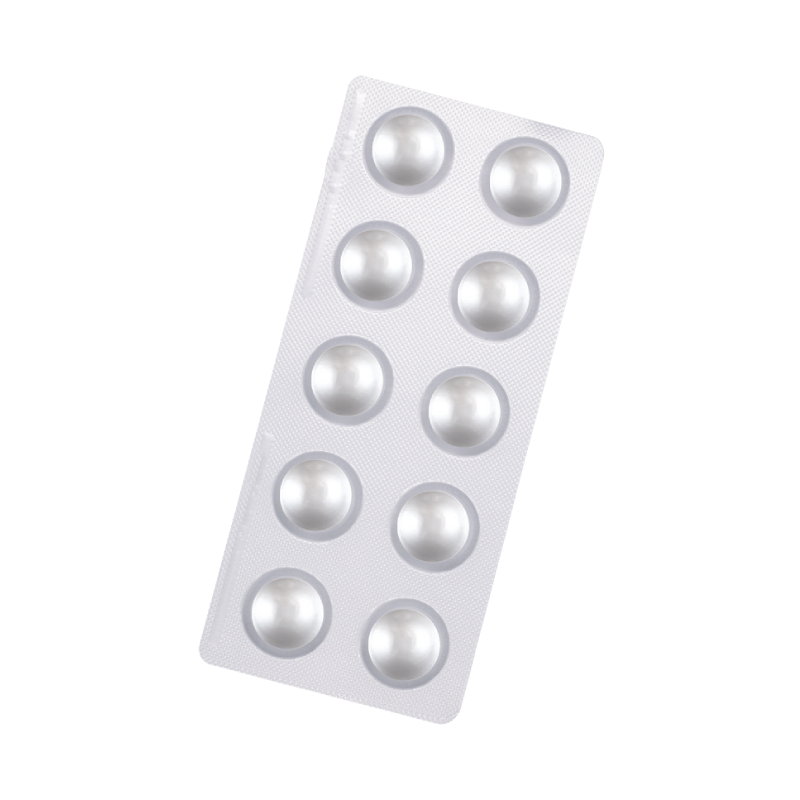
About this product
Terbinafine is an antifungal tablet that kills the fungus living in your nails or skin. It targets the cell membrane of the fungus, stops it from growing, and breaks it apart. Creams and paints struggle to reach a fungal nail infection because the fungus hides deep under the nail. Terbinafine taken by mouth gets into the nail bed through your bloodstream and attacks the infection from the inside.
Terbinafine is also used to treat stubborn fungal skin infections like ringworm, athlete's foot, and jock itch when creams alone have not cleared them.
This is a prescription-only medicine. Our clinician will check it's right for you before we dispense it.
How to use
Take one 250mg tablet once a day. Swallow it whole with water. You can take it with or without food.
For fungal fingernail infections, the usual course is 6 weeks. For toenail infections, it is usually 3 months but can stretch to 6 months or longer if the infection is severe. For skin infections, treatment lasts between 2 and 6 weeks depending on the site.
Take the tablet at the same time each day. If you miss a dose, take it as soon as you remember. If your next dose is less than 4 hours away, skip the missed one and carry on as normal. Do not double up.
Finish the full course even if your symptoms clear up early. Stopping too soon gives the fungus a chance to come back.
Avoid caffeine (coffee, tea, cola, energy drinks) while on terbinafine, as the medicine can cause caffeine to stay in your body longer than usual.
Terbinafine can make your skin more sensitive to sunlight. Avoid prolonged sun exposure and use sunscreen while on treatment.
Main Ingredients
Each tablet contains 250mg of terbinafine (as terbinafine hydrochloride). Terbinafine is an allylamine antifungal. It blocks an enzyme called squalene epoxidase, which the fungus needs to build its cell membrane. Without that membrane, the fungal cells die.
Other ingredients typically include cellulose, sodium starch glycollate, colloidal silicon dioxide, magnesium stearate, and hypromellose. Formulations vary by manufacturer.
Side Effects & Cautions
The most common side effects are stomach related: nausea, indigestion, loss of appetite, diarrhoea, and a feeling of fullness. Headaches, muscle or joint aches, and mild skin rashes can also occur. These are usually mild and pass quickly.
A less common but important side effect is a change in taste or a loss of taste. Food may taste different, or you may not taste it at all. This usually returns to normal after you stop the tablets, but in rare cases it can last a long time or become permanent. If you notice a change in your sense of taste or smell, contact our clinician.
Terbinafine can affect the liver. Your doctor should check your liver function with a blood test before you start and may repeat it during treatment. If you develop unexplained nausea, vomiting, tiredness, dark urine, pale stools, or yellowing of the skin or eyes, stop the tablets and get medical help straight away.
Very rare but serious side effects include severe skin reactions (Stevens-Johnson Syndrome, toxic epidermal necrolysis) and blood disorders. If you develop a severe rash with blistering, or unusual bleeding or bruising, stop the medicine and seek urgent medical advice.
Who should not take it
You should not take terbinafine if you are allergic to it or any of its ingredients, or if you have severe liver disease. If you have mild liver or kidney problems, tell our clinician before starting. If you have psoriasis, be aware that terbinafine can sometimes trigger a flare-up.
Can you take it during pregnancy or breastfeeding?
Terbinafine is not recommended during pregnancy or breastfeeding. Fungal nail infections are not urgent. It is safer to wait until after pregnancy and nursing to begin treatment.
Can you drink alcohol?
There is no direct interaction between terbinafine and alcohol. But both put a load on your liver. If you are on a long course, it is sensible to keep alcohol intake low. If you have any liver concerns, discuss this with our clinician.
Other medicines
Terbinafine can interact with a number of other medicines. These include certain antidepressants (tricyclics, SSRIs, MAOIs), beta-blockers, anti-arrhythmics, ciclosporin, rifampicin, cimetidine, and oral contraceptives (irregular periods or breakthrough bleeding may occur). Tell our clinician about everything you take.
How long until I see results?
Be patient. Fungal nail infections are stubborn. The infection starts to clear while you take the tablets, but the damaged nail needs to grow out. A fingernail takes about 6 months to fully replace itself. A toenail can take 9 to 12 months. The nail will look better gradually over that time, long after you finish the course.
Patient Information Leaflet
Terbinafine is not right for everyone, and there are things you should know before you start. Here is all the official information. If anything is not clear, let our clinician know and they can talk it through with you.
Dosage & directions
Main ingredients
Side effects & cautions
Patient information leaflet
Meet Our Pharmacy Team


WEIGHT LOSS — No shady subscriptions or lock-in contracts